Spotting the Pattern
Looking beyond the obvious behaviour to notice what keeps repeating, changing or getting missed.
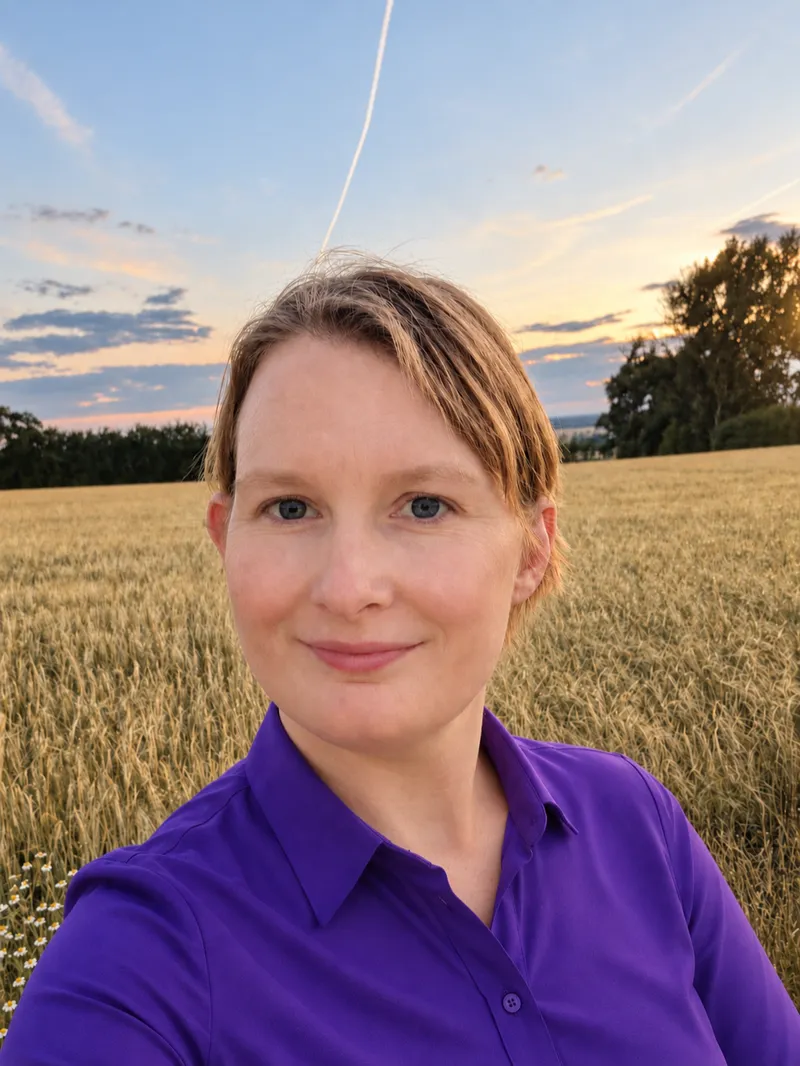
I’ve spent nearly 20 years working with children in primary education, and one thing has become very clear: the behaviour you can see is only part of the story.
My work is about helping parents, carers and educators make sense of the clues, bring the home and school picture together, and work out what may actually help this child next.
I created The El Boden Method because too many adults are given generic behaviour advice that does not fit the child in front of them.
A strategy can work brilliantly for one child and make things worse for another. The missing piece is often the pattern underneath the behaviour.
That is the bit I help you work out.
My training includes behaviour management, SEND, autism, ADHD, child psychology and emotional regulation.
But qualifications are only part of it.
The real value comes from looking at the child, the context and the pattern together, then turning that into something practical you can actually use.
I kept seeing the same problem. A child was struggling, the adults around them wanted to help, but everyone was left trying different strategies without really knowing why the behaviour was happening.
Too often, the focus stayed on stopping the behaviour rather than understanding what the behaviour might be telling us.
I wanted to create something different.
The El Boden Method is about looking for the pattern, joining up the clues and choosing a response that makes sense for this child, in this situation.
It is not about blaming parents, labelling children or expecting one strategy to work for everyone.
It is about understanding more, guessing less and knowing what to try next.
There is no such thing as a “naughty child”. There is a child whose behaviour is giving us clues.
Children rarely struggle for no reason.
I’ve learned to notice the things that are easy to miss: what happens just before behaviour changes, where it happens, who is there, what the child has already been coping with, and why the same child can look completely different at home and at school.
That matters because the behaviour itself is only one clue.
My experience is not about having a bigger collection of behaviour strategies. It is about knowing which questions to ask, which patterns to look for and when the obvious explanation probably is not the whole story.
That is what I bring to The El Boden Method.
Looking beyond the obvious behaviour to notice what keeps repeating, changing or getting missed.
Bringing different versions of the same child together so adults can understand the fuller picture.
Taking what we notice and turning it into a practical next step that fits the child, not the generic checklist.
I know how vulnerable it can feel to ask for help when you’re worried about a child. You may already have tried countless strategies, questioned yourself, or wondered why something that seems to work for everyone else simply isn’t working for you.
When we work together, there is no judgement and no expectation of perfection.
I’ll listen to what life actually looks like for you and your child, help you make sense of the behaviour you’re seeing, and work with you to find practical next steps that fit your family.
You won’t be given a list of impossible rules or made to feel as though you should already know the answers.
You’ll have someone beside you who is curious, compassionate and focused on helping you understand your child, not forcing them into somebody else’s idea of how they should behave.
My aim is for you to leave feeling calmer, clearer and more confident about what to do next.
The El Boden Method is about more than solving one difficult moment.
I want parents and carers to feel less like they are guessing. I want schools and families to understand the same child, even when that child looks completely different in different places.
The support I create should be practical, useful and accessible. Something you can actually use when real life is happening, not advice that only works on paper.
As The El Boden Method grows, I want that support to reach families, schools and communities who might not otherwise have access to it.
My aim is simple: help more adults understand the child in front of them, so more children grow up feeling understood rather than misunderstood.